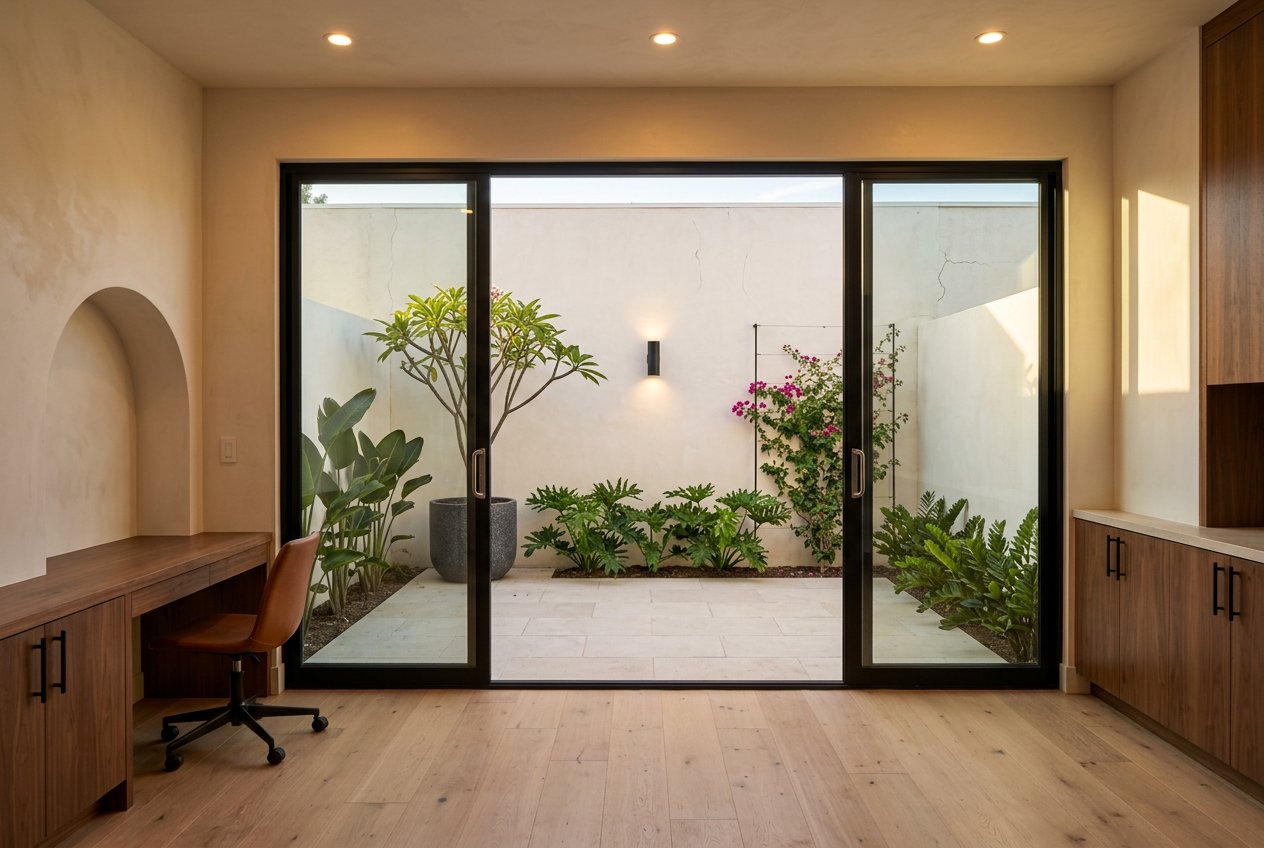
Working from home changes how you choose a place to live. Your daily rhythm matters just as much as square footage. In Miami, the right neighborhood can give you walkable coffee runs, quick access to parks, and a smart backup plan for hybrid office days. This guide helps you match your work style to Miami’s neighborhoods, plan for commute tradeoffs, and know what to check during tours. Let’s dive in.
Start with lifestyle fit
Miami is built around distinct neighborhoods, each with its own pace and housing styles. You can choose a compact, walkable high‑rise life near cafes and transit, or a leafy single‑family area with room for a dedicated office and outdoor space. Use the official Miami neighborhood overviews to get a feel for the options as you shortlist.
Here is a quick way to frame your search:
- Urban high‑rise: Walk to errands, restaurants, and coworking. Smaller private office space is common, but building amenities can fill gaps.
- Creative districts: Loft and mid‑rise living near galleries and cafes. Great if you like rotating between home, a favorite coffee shop, and boutique coworking.
- Leafy village: Single‑family or townhome setups with more room for a true office and outdoor breaks.
- Beach lifestyle: Compact units with strong outdoor access and oceanfront paths. Plan for longer mainland commutes on hybrid days.
- Suburban value: More square footage for the price, with longer drives to downtown or the beach.
Commute and connectivity
If you go in a few days a week, connectivity can make or break your routine. Downtown and Brickell benefit from the free Metromover, which links into Metrorail and makes quick central trips realistic without a car. As a baseline, the U.S. Census estimates Miami‑Dade’s mean one‑way commute at about 31 minutes, which helps you plan hybrid schedules and test-drive times from target neighborhoods (Miami‑Dade QuickFacts).
Driving patterns can vary a lot by corridor and time of day. Expect bottlenecks near causeways and key expressways. When you tour, time a test route during typical rush hours so you know what your office days will feel like.
Neighborhood snapshots for remote workers
Brickell and Downtown
High‑rise condos dominate here, often with 1 to 3 bedrooms and strong amenities. You can walk to groceries, gyms, and a deep bench of cafes, which keeps remote days efficient. For professional backup, check nearby coworking such as Quest Workspaces in Brickell. Key fit: you want walkability, transit convenience, and you are comfortable with smaller private office footprints inside your unit.
Wynwood, Midtown, Design District
These creative hubs mix lofts, mid‑rise condos, and adaptive‑reuse buildings. You will find a dense cafe scene and boutique coworking options like Mindspace in Wynwood. Street‑level energy is high, and event days can affect parking, so look for buildings with visitor parking and package rooms. Key fit: you thrive on third places and want to alternate between home, cafes, and a design‑forward coworking space.
Coconut Grove and Coral Gables
Leafy streets, village centers, and more interior space define this area. You will see single‑family homes, townhomes, and garden‑style condos with room for a closable office and outdoor areas. For midday breaks, bayfront spots like Matheson Hammock Park and nearby neighborhood parks are close. Key fit: you value quiet, greenery, and a true office room, with flexible car or Metrorail access to Brickell or Downtown.
Miami Beach (South, Mid, North)
You will find a mix of older low‑rise condos and newer boutique towers, usually with efficient layouts and great outdoor access. Oceanfront paths and parks such as South Pointe Park make before‑work runs or walking meetings easy. Plan for longer mainland trips on hybrid days, and test drive times during peak hours. Key fit: you want the beach and walkable leisure first, with a plan for fewer in‑office days.
Kendall, Doral, and western suburbs
If you want a dedicated, full‑time office and more square footage, these areas often deliver better value. You will see larger single‑family homes, duplexes, and newer planned communities. Commutes to the urban core are longer, so prioritize proximity to your key arterials and test your routes at office hours. Key fit: you want space, storage, and a permanent office without paying urban‑core prices.
Home office must‑haves
Set yourself up for a calm, productive routine by checking these features during your search:
- A dedicated, closable room or a true den that separates from living spaces. Two‑bedroom condos often work best if calls and video are daily.
- Power and data: confirm outlet count and location in the office. Run an address‑level internet check for wired fiber or cable and 5G options before you commit. You can use an address tool like Allconnect’s availability checker to see major providers by address.
- Noise and light: tour during a typical work hour to gauge street noise, elevator vibration on high floors, and glare. Test blinds on a sunny day.
- Building amenities that replace office needs: business lounges, meeting rooms, phone booths, package rooms, and a reliable front desk. Ask about reservation rules and whether building internet is included.
- Outdoor break options close by: a waterfront path, neighborhood plaza, or larger park for walking meetings and quick reset breaks.
- Power resilience: ask about generators for common areas and simple in‑unit backups like surge protection or a UPS for your router and laptop.
Third places for focus and connection
Coworking and cafes give you flexibility when home is not enough. Brickell and Downtown have multiple enterprise and boutique options, including Quest Workspaces. Creatives often like Wynwood’s scene, anchored by spaces such as Mindspace. On nice days, parks and promenades offer quick walks or outdoor calls, from bayfront paths near Brickell to destination spots like Matheson Hammock and South Pointe.
Before you plan a full workday off‑site, confirm Wi‑Fi, seating, and day‑pass policies. Event schedules can change crowds, so build a short list of backups in your chosen neighborhood.
Smart touring checklist
Use this quick checklist for in‑person or virtual tours:
- Internet and cell: run an address‑level ISP check and a live cell‑signal test in the proposed office room.
- Noise: visit during a weekday work hour and again in the evening. Listen for street, HVAC, elevator, and venue noise.
- Light and glare: open blinds on a sunny day and test screen visibility in the office area.
- Power: count outlets and ask about running ethernet or placing a UPS. Check HOA rules for small equipment.
- Amenities and rules: confirm meeting rooms, phone booths, package handling, and concierge hours. Review reservation systems.
- Parking and storage: verify assigned and guest parking, plus storage lockers for equipment or bikes.
- Visiting and short‑term rules: ask about guest stays and any restrictions relevant to hybrid lifestyles.
- Insurance and resilience: ask about flood risk, impact windows, and typical outage duration after storms.
Market timing note
Remote buyers often target 2‑plus bedroom units to convert one room into a permanent office. That can tighten competition in certain buildings and price points when activity rises. Recent data shows sales increased as mortgage rates eased in late 2025 and early 2026, so it helps to work from a current snapshot before you write an offer (MIAMI REALTORS market note). Ask your agent for the latest neighborhood‑level update on inventory and days on market.
Ready to explore your fit?
Whether you want walkable high‑rise energy or a quiet home with a dedicated office, the right Miami neighborhood can make working from home simpler and more joyful. Our team serves relocators and remote professionals with calm, family‑first guidance and bilingual support in English and Spanish. If Miami‑Dade is on your list, we will connect you to the best local options and help you navigate each step with clarity.
Let’s talk about your goals and build a short list tailored to your workday. Reach out to Jessica Ozuna Torres to start your Miami search with a trusted, relationship‑driven partner.
FAQs
Do I need a 2‑bedroom for a good home office in Miami?
- A dedicated, closable space is ideal, which is why many buyers choose a 2‑bedroom or a single‑family home with a den; if you buy a 1‑bedroom, lean on building amenities like meeting rooms and focus on noise control.
Which Miami neighborhoods are most walkable for cafes and errands?
- Downtown and Brickell are among the most walkable areas; use tools like Walk Score for Downtown Miami and do an in‑person walk to confirm daily errands from any specific address.
Is 5G home internet enough for remote work in Miami?
- It can work for smaller households or as a backup, but wired fiber or cable often delivers more consistent speeds and latency for video calls and large uploads; always verify address‑level options and signal strength before committing.
How long is the average commute if I go in a few days a week?
- The U.S. Census estimates Miami‑Dade’s mean one‑way commute at about 31 minutes; your actual time depends on the corridor and day, so test routes from your short list during peak hours.
Can I live on Miami Beach and work on the mainland?
- Yes, many do; plan for causeway traffic on office days, consider hybrid schedules, and time your route to confirm whether the tradeoff for beach access fits your routine.