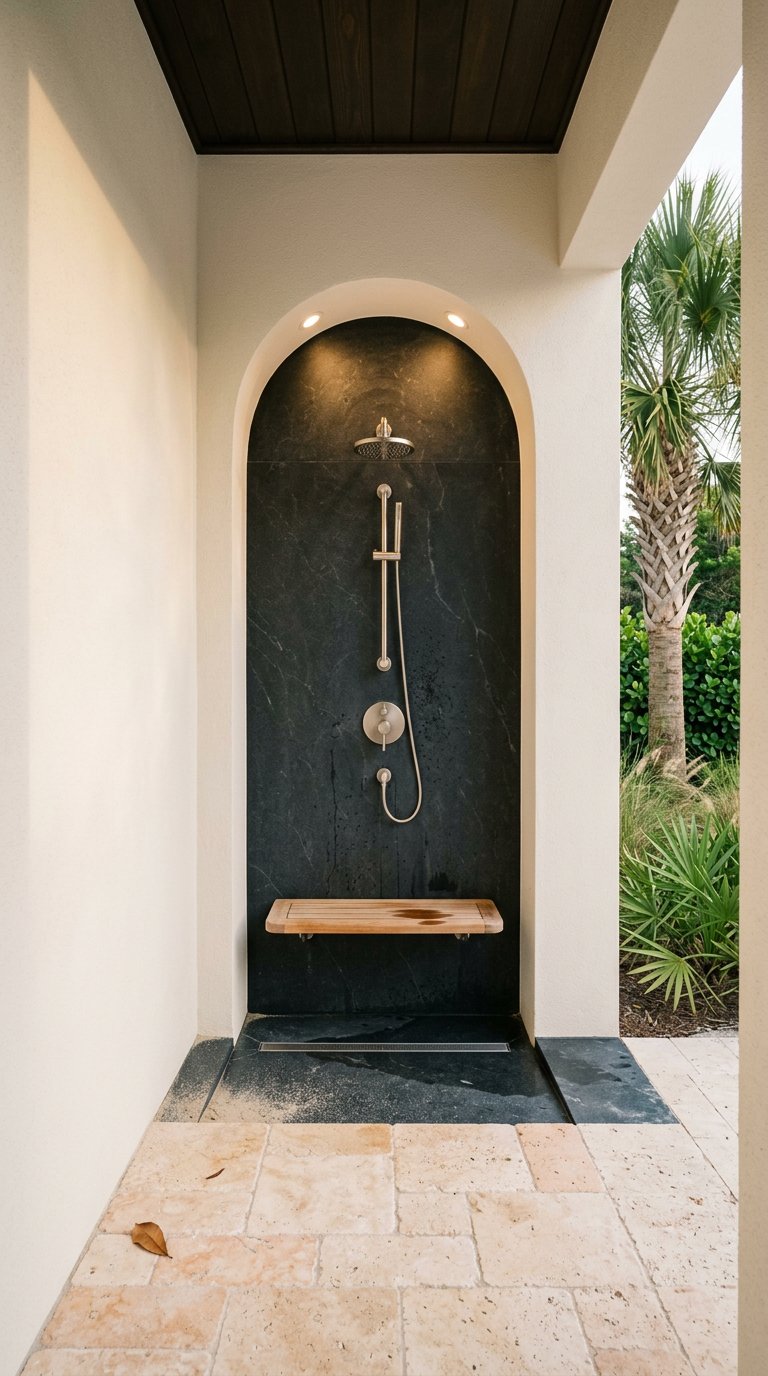
Imagine waking up to the soft hush of Gulf waves, hopping on a bike for coffee, and ending your day with a sunset stroll on a quiet, shell-strewn beach. If that sounds like your kind of escape, a Sanibel vacation home could fit your life. Still, you want to know what daily living really looks like, from busy seasons and beach rules to maintenance and access. This guide walks you through the rhythms, property types, must-know rules, and practical tips so you can decide with confidence. Let’s dive in.
Sanibel at a glance
Sanibel is a low-rise barrier island in Lee County linked to the mainland by the Sanibel Causeway. Most owners drive in from Fort Myers or fly into Southwest Florida International Airport and make the short drive across the bay. If you plan to fly often, it helps to know the layout at Southwest Florida International Airport (RSW).
The island’s heart is conservation. Large protected lands, including the J.N. “Ding” Darling National Wildlife Refuge, shape a calmer, nature-forward lifestyle. You will feel it in the low-density development, abundant wildlife, and quieter nights. Shops and dining cluster along Periwinkle Way, where you’ll handle most everyday errands.
Crossing the causeway is part of the routine. There is an inbound toll, and many frequent users set up a Lee County transponder account for easier payment. Before you go, check the current rules and options on the county’s LeeWay toll information page.
How owners use vacation homes
Common ownership patterns
You will meet a mix of seasonal “snowbirds,” weekenders from nearby states, and a smaller group of full-time residents. Many buyers come for peace, bike-friendly paths, and wildlife rather than a high-rise resort scene. The vibe is relaxed and neighborly, especially outside peak travel weeks.
Personal use and renting
Some owners use their homes purely for family time. Others offset costs by offering short-term rentals, especially in condo communities with on-site management. Rules vary by building and neighborhood, and rental demand typically rises in winter. If renting is part of your plan, review community guidelines and confirm local requirements before you buy.
Seasons and daily rhythms
High season
Sanibel’s busiest months are roughly December through April. Expect fuller restaurants, tighter beach parking at mid-day, and more lively sidewalks. If you like a social rhythm and easier rental demand, winter will likely be your sweet spot, as outlined by the local chamber’s seasonality guidance.
Shoulder and summer months
Late spring and late fall often feel calmer and more affordable. Summer brings warm, humid weather with regular afternoon thunderstorms. Many year-round residents enjoy the quieter pace, open tables at local cafes, and easy access to trails.
A day on the island
Mornings often start with shelling or a beach walk, then a relaxed bike ride on miles of shared-use paths. For ideas and maps, explore regional biking and hiking resources. Midday, owners head to Periwinkle Way for a bite or supplies, with Jerry’s Foods serving as a reliable go-to for groceries and basics at Jerry’s Foods Sanibel. Evenings tend to end with a sunset stroll at Lighthouse Beach Park or Bowman’s Beach and a simple dinner.
Property types and what to expect
- Gulf-front condos. These offer turn-key access to the beach with amenities like pools and on-site staff. They can feel busier in peak months and typically have HOA rules that help keep things running smoothly.
- Bay, canal, or lagoon homes and condos. You may find quieter views, wildlife watching, and boating options. These areas are not immune to storm surge, but they offer a different water experience than direct Gulf frontage.
- Interior cottages and single-family homes. Expect more privacy and yard space. Many older cottages carry coastal charm plus added upkeep, while newer or rebuilt homes often sit on pilings and include wind and flood-resistant features.
Maintenance, insurance, and storm readiness
Coastal living comes with salt air and sunshine, which means regular care. Plan for maintenance on decks and hardware, routine HVAC servicing, landscaping with native plants, and seasonal pest precautions. If you live out of town or plan to rent, a local property manager can coordinate cleanings, utility checks, and storm prep.
Preparation is part of island life. The Atlantic hurricane season runs from June through November each year, so owners build routines around readiness. After major storms, communities work through recovery and repairs. Recent years show that complex properties may need multi-month timelines for restoration, as seen in updates from island resorts during the recovery period, like the Sundial’s road to reopening.
Many homes include elevated foundations, impact-rated windows, and other reinforcements. Programs that support mitigation can change, so verify current options with local authorities or your insurance professional before making decisions.
Wildlife and beach rules that shape life
Sanibel protects its beaches and marine life, and owners take these rules seriously. Sea turtle nesting season runs from May 1 through October 31. During these months, beachfront lighting must be turtle-friendly, and furniture should be removed from the sand at night. Campaigns like “After 9, it’s turtle time” help protect hatchlings. Review the city’s sea turtle protections and be ready to guide your guests.
Conservation is a daily value. Trails and education programs from groups like the Sanibel-Captiva Conservation Foundation and the expansive habitats inside Ding Darling Refuge make the island feel grounded in nature. Owning here means sharing that stewardship mindset.
Getting around, services, and access
Expect a mix of bikes and cars. Many owners use bikes for short trips to coffee, beaches, and local shops. For larger errands or specialty services, you will likely head to the mainland. If you fly in and out, RSW is the primary airport for the region.
Day-to-day, you can handle most basics on-island. Groceries and everyday items are available along Periwinkle Way, with Jerry’s Foods as a frequent stop for owners. Before crossing the causeway, check Lee County toll guidance for current payment options if you do not have a transponder.
Is a Sanibel vacation home right for you?
Ask yourself a few quick questions:
- How often will you visit in winter versus summer, and do those seasons fit your ideal pace?
- Do you want a turn-key condo experience or the privacy of a cottage with more upkeep?
- Will you welcome occasional guest traffic in exchange for amenities and on-site management?
- Are you comfortable planning for storm readiness and routine coastal maintenance?
- If you plan to rent, do you understand the community’s rules and local registration steps?
If your answers trend toward quiet nature time, easy bike rides, and simple days by the water, Sanibel may be a great match.
Ready to explore with a local team?
You deserve guidance that fits your goals and your schedule. Our team lives and works in Lee County, and we help buyers understand seasons, rules, and realistic ownership costs across Sanibel and nearby coastal markets. We offer bilingual support, local insights, and warm, family-first service from first call to closing. When you are ready, reach out to Jessica Ozuna Torres to talk through your plans, request a curated list of homes, or get your instant home valuation.
FAQs
When is Sanibel’s busiest season for owners and visitors?
- Winter through early spring, roughly December to April, is the most active period with fuller restaurants, higher visitor counts, and tighter beach parking.
What are the sea turtle rules I need to follow as a beachfront owner?
- From May 1 to October 31, keep beachfront lighting turtle-friendly, remove beach furniture at night, and avoid actions that disorient hatchlings.
How do I get to Sanibel from the airport?
- Most owners fly into Southwest Florida International Airport, then drive through Fort Myers and across the Sanibel Causeway to reach the island.
Is Sanibel bike-friendly for everyday errands?
- Yes. The island has extensive shared-use paths that link beaches, shops, and preserves, so many owners bike for short trips.
Can I rent out my Sanibel vacation home?
- Many owners do, especially in condos with on-site management, but rules vary by building and the city, so confirm details before you buy.
What kind of maintenance should I expect near the coast?
- Plan for salt-air care on metal and wood, routine HVAC service, native landscaping, pest control, and seasonal storm preparedness.