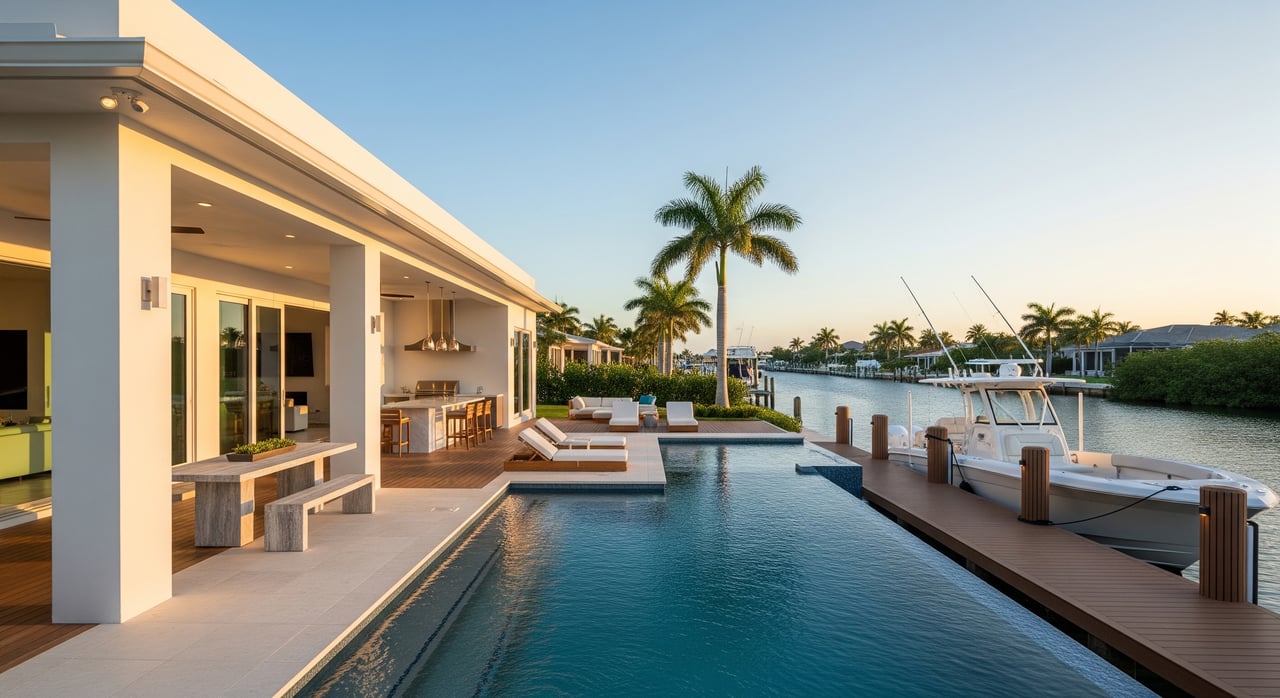
Imagine stepping onto your dock with coffee in hand while a heron glides over a glassy canal. That quiet moment is part of daily life when you live on the water in Cape Coral. If you are dreaming about it, you also want the full picture: how boating access works, what day-to-day routines look like, and the real costs and responsibilities that come with waterfront living. This guide breaks it all down so you can decide if canal-front life fits your family and goals. Let’s dive in.
What “waterfront” means in Cape Coral
Cape Coral is built around a vast canal system. The city highlights more than 400 miles of navigable canals, many connecting neighborhoods to the Caloosahatchee River and the Gulf. You will see that network everywhere, and it shapes how people live, play, and move around the city. You can learn more about the city and its water-focused layout on the City of Cape Coral’s official site.
Direct Gulf access
These homes sit on canals with a clear path to open water, with no fixed low bridges that restrict taller boats. If you own a powerboat or sailboat with a high profile, this access can be a major advantage. You usually pay more for it, and homes here tend to be in high demand.
Interior canal-front
Interior canal properties are common and can be a great fit if you want water views, daily dock life, and casual fishing. You may need a longer boat ride to reach the river and the Gulf. Bridges along the route can limit boat height, so measure your clearance needs before you buy.
Riverfront and marina lifestyle
Riverfront homes offer sweeping views and quick access to open water. Marina-centered areas, such as parts of Cape Harbour or near the Yacht Club area, add dining and social spots within a short ride. These neighborhoods can feel lively during peak season and quieter the rest of the year.
Daily life on the water
Morning rhythm
Many residents start the day on the lanai or dock, watching manatees, birds, and passing boats. Casual dock fishing is common, and kayakers often slip out before the wind picks up. You will want to store gear neatly and rinse it often because salt spray speeds up wear.
Work and school routines
Most people commute by car to jobs across Cape Coral and into Fort Myers, Estero, or Naples. Bridge crossings and in-season visitors can slow traffic at certain times of day. Families are served by the Lee County School District, and it helps to check your attendance zone and bus routes before choosing a neighborhood.
On-the-water fun
Cape Coral has a strong boating culture. Weekends often include island-hopping, anchoring in Pine Island Sound, or meeting friends for a sunset cruise. If you plan to boat, review Florida Fish and Wildlife’s boating rules and safety requirements so you are set with registration, gear, and local speed zones.
Kayaking and paddleboarding are easy ways to explore nearby mangroves and preserves, including popular city preserves and boardwalks. Wildlife watching is part of the charm. You may see dolphins in estuary areas and manatees in cooler months. Alligators do live in canals, so use caution near the water and follow FWC guidance on living with alligators.
Social life and sunsets
Waterfront dining spots, marinas, and community areas host casual gatherings throughout the year. The city feels busier from roughly November through April, when seasonal residents arrive. Sunsets are a nightly ritual from docks, patios, and public parks. Plan simple lighting and comfortable seating outdoors so you can enjoy the view without attracting too many insects.
Costs and maintenance to budget for
Home values and premiums
Waterfront homes usually cost more than similar inland homes. The premium changes by access type, neighborhood, lot size, age of the house, and upgrades like pools, docks, or lifts. If you want up-to-date numbers, review recent sales with a local agent and confirm how each lot connects to open water.
Insurance and flood considerations
- Homeowners insurance in coastal areas often includes higher wind coverage and a hurricane deductible.
- Many waterfront lots are in FEMA flood zones. A separate flood insurance policy may be required by lenders or simply be smart protection. You can look up a property’s flood zone at the FEMA Flood Map Service Center.
- Premiums vary based on elevation, construction year, and storm-mitigation features. Newer homes built under updated Florida codes may have wind-resistant features that help on pricing.
Seawalls, docks, and lifts
Most canal properties have seawalls or bulkheads. Ask about their age, condition, and any recent repairs. Seawall replacement and dock rebuilds are major projects, so get inspections early and budget for long-term upkeep.
Boat lifts, cleats, decking, and pilings need regular care in saltwater. Plan for periodic service and marine-grade materials to handle corrosion. If you need to install or modify a dock or lift, check the local permit process with the City of Cape Coral and review environmental guidance from the Florida Department of Environmental Protection.
Utilities, internet, and services
Utility connections can differ by neighborhood. Some areas have public sewer and water, and others may have different arrangements. Internet speeds and providers vary by development. Confirm service options before you commit to a home, especially if you work remotely.
Boat ramps, marinas, and storage
Cape Coral and nearby areas offer public boat ramps, private marinas, and dry-stack storage. Availability and costs change with the season, and some marinas run waitlists. If boating is central to your lifestyle, call nearby marinas early to confirm slip or rack options.
Risks, seasons, and preparedness
Climate and lifestyle rhythm
Cape Coral has a subtropical climate. Expect hot, humid summers with a rainy season in late spring through early fall, and mild, drier winters. That pattern shapes maintenance schedules, lawn care, and when you spend the most time outside.
Hurricanes and emergency planning
Hurricane season runs from June 1 through November 30, with a late summer and fall peak. Stay informed with official updates from the National Hurricane Center. Lee County publishes evacuation zone maps and storm resources. Know your zone and have a plan using Lee County Emergency Management.
If you are evaluating a home, ask about the roof type, age, and any storm-hardening features. Newer construction is often built to stronger wind codes, which can help with safety and insurance.
Flooding and long-term trends
Low-lying coastal areas face flood risk, especially during heavy rain or storm surge. Use the FEMA Flood Map Service Center to review a property’s flood zone and talk with your insurance advisor about coverage.
Water quality and red tide
Water conditions can change with weather and regional river releases. At times, red tide affects marine life and can limit beach days. Stay updated through FWC’s red tide research and status reports.
Wildlife and everyday caution
Canals are part of Florida’s natural habitat. Alligators, manatees, and wading birds are common. Teach children water safety and keep pets on leashes near the shoreline. Follow FWC’s guidance on living with alligators, and contact authorities if you see a nuisance animal.
How to choose the right waterfront fit
Use this simple checklist to narrow your search:
- Decide your access type: direct Gulf, interior canal, or riverfront. Match it to your boat size and clearance needs.
- Evaluate the seawall and dock: ask for age, permits, recent repairs, and inspection reports.
- Verify flood zone and insurance: pull the FEMA map, request insurance quotes, and confirm hurricane deductibles.
- Confirm boat storage: check marina slips, dry stack, or your lift capacity and condition.
- Align lifestyle needs: test commute times in season and off season, and confirm school attendance zones with the district.
- Check utilities and internet: verify sewer, water, and internet options at the exact address.
- Visit at different times: see the area on a weekday, weekend, morning, and evening. Note boat traffic, noise, and privacy.
- Review building year and updates: newer code standards may improve storm resilience and long-term costs.
Ready to explore Cape Coral waterfront?
If canal-front living is calling your name, you do not have to navigate the details alone. Our family-centered team helps you compare access types, read seawall and dock reports, confirm flood zones, and plan insurance and inspection steps with clarity. We also guide relocators with neighborhood intel, virtual tours, and trusted local referrals. Sellers can tap modern marketing, staging, and an instant valuation tool to prepare the next move.
Let’s make your waterfront plan simple and personal. Connect with Jessica Ozuna Torres for bilingual guidance, local expertise, and a stress-reducing path to the right home. Hablamos español.
FAQs
What does “direct Gulf access” mean in Cape Coral?
- It means your canal route has no fixed low bridges, so you can reach the river and Gulf without height restrictions that limit some boats.
Do I need flood insurance for a waterfront home in Cape Coral?
- Many waterfront lots are in FEMA flood zones; lenders may require a separate flood policy, and it is often smart protection even when not required.
How noisy are Cape Coral canals for everyday living?
- Noise varies by location and season, with busier channels and marina areas generally hearing more boat traffic, especially during winter months.
Can you swim in the canals safely?
- Water conditions vary by canal and season; many residents focus on boating and paddling and follow local guidance during water-quality events.
What should I check on a seawall before buying?
- Ask for the age, visible cracking or bowing, prior repairs, and inspection reports, since seawall replacement can be a major capital expense.
How do I prepare for hurricane season on the water?
- Know your evacuation zone, keep storm supplies ready, service your shutters or impact windows, and review official updates from the National Hurricane Center.