Thinking about selling your Cape Coral home but not sure where to start? You are not alone. Between timing, prep, pricing, and paperwork, it can feel like a lot. This step-by-step guide walks you through the local process from listing to closing, with simple timelines and practical tips for Cape Coral, including help for Spanish-preferring families. Let’s dive in.
Understand the Cape Coral market
Cape Coral moves with the seasons. Demand is usually strongest from late fall through early spring, when seasonal residents are in town and out-of-state buyers are visiting. Summer and early fall align with hurricane season, which can affect showings and timelines. Your pricing and launch strategy should match these shifts.
Best time to list
If you can, list between November and April to reach the largest buyer pool. Homes can still sell in summer, but you may need sharper pricing or incentives to stand out. During hurricane season, build in flexibility for showings, inspections, and any needed storm prep.
Waterfront and condo notes
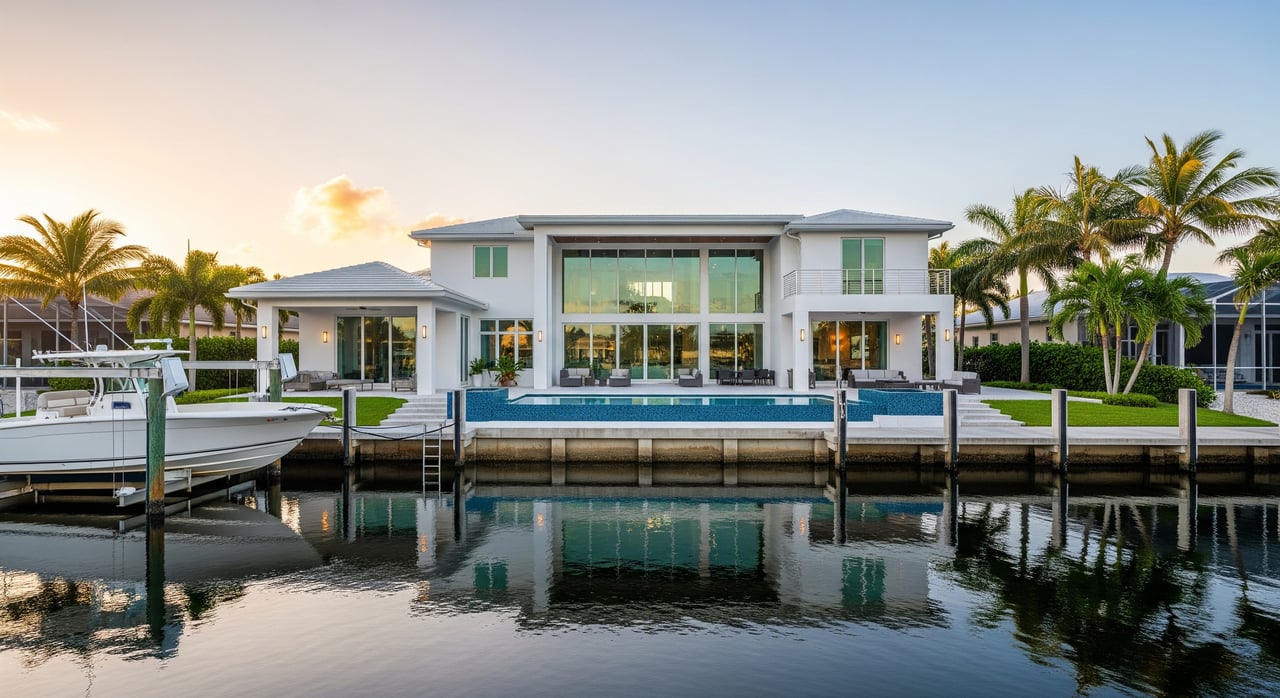
Waterfront and canal properties attract a distinct buyer group and often command premium pricing. They also bring specialized questions about docks, lifts, and seawalls. Condo and HOA communities may require association documents that can affect your timeline. Plan for these needs early so you avoid surprises later.
Prep your home and paperwork
A focused pre-list plan helps you list faster and negotiate with confidence. Aim to complete the essentials before professional photos.
Quick wins in two weeks
- Tackle minor fixes, paint touchups, and deep cleaning.
- Refresh landscaping, pressure wash, and clear the lanai and pool deck.
- Declutter, remove strong odors, and store personal photos.
- Stage key rooms to feel bright and open, then book professional photography. For canal or gulf-access homes, add drone shots to showcase waterways and neighborhood context.
Optional pre-listing inspection
Many Cape Coral sellers order a pre-listing inspection. Scheduling and the report typically take 1 to 2 weeks. You can address small issues upfront, price more confidently, and reduce post-offer renegotiations. Your agent can help you decide if it is right for your home and timeline.
Gather key documents
Pull together your documents early. This speeds title work, answers buyer questions, and reduces last-minute delays.
- Deed and recent mortgage payoff statement(s)
- Current insurance declarations (for reference)
- Any existing survey
- HOA or condo rules, budgets, and meeting minutes, plus an association packet or estoppel letter if required
- Permits and completion certificates for roof, additions, pool, A/C, and other work
- Warranties and manuals for appliances, pool equipment, and HVAC
- Utility bills and recent property tax information
- Required seller disclosure forms about known condition issues
Local details to confirm:
- Flood zone and elevation, and whether flood insurance is required
- Septic or municipal sewer connection status and maintenance records
- Boat dock, lift, and seawall condition, service records, and any permits
Price it right
Price drives attention, showings, and negotiation power. Ask your agent for a Comparative Market Analysis with recent Cape Coral comps that match your property type, neighborhood, and waterfront status. If you plan to list at the start of high season, you may capture more interest right away. In slower months, consider competitive pricing or buyer incentives.
Account for features that matter locally. Gulf or canal access, a boat lift, pool, impact windows or doors, a recent roof or A/C, and finished outdoor spaces can change your price point in meaningful ways.
Market for maximum reach
Your marketing should meet buyers where they are, both in town and out of state.
- Professional photos that highlight indoor and outdoor living, especially lanai, pool, dock, and water views
- Drone photography for canal-front context and neighborhood proximity
- Virtual tours and walkthrough videos to engage seasonal and out-of-market buyers
- Optimized MLS remarks that call out waterfront, gulf access, boat lift, and hurricane protection features
- Targeted social media and paid ads reaching Florida winter-season buyers and regional audiences
- Bilingual marketing materials to connect with Spanish-preferring buyers
From offer to contract
A buyer offer usually includes the price, earnest money deposit, financing type, inspection period, proposed closing date, and any seller concessions. Earnest money is held in escrow per the contract. Your agent will help you compare terms and negotiate for the best overall outcome, not just the top number.
Inspections and repairs
Most buyers request a 7 to 14 day inspection period, though the exact timeframe is negotiable. Expect general home, pest or termite, roof, and pool inspections. For waterfront homes, add seawall and dock reviews. If the buyer requests repairs or credits, focus on safety and functionality first. A pre-listing inspection can streamline this phase and keep the deal on track.
Appraisal and financing
For financed purchases, the lender orders an appraisal. Scheduling and results often take 7 to 21 days, depending on demand. If the appraisal comes in below the contract price, common options include price adjustments, the buyer bringing additional cash, or cancelling under the financing contingency. Cash buyers usually skip an appraisal contingency but still complete inspections.
Closing timeline in Cape Coral
Your overall path depends on your prep, seasonality, property type, and the buyer’s financing. Here are typical ranges:
- Pre-listing prep and documents: 1 to 6+ weeks, depending on repairs and permits
- Time on market to contract: varies by season and price point
- Inspection and contingency period: commonly 7 to 14 days
- Loan underwriting and appraisal: often 21 to 45 days for financed buyers
- Closing after contract: about 30 to 60 days for financed deals; cash closings can move faster, often 7 to 21 days
Avoid common delays
- Order HOA or condo estoppel letters and association packets early, as they can take 7 to 30+ days
- Respond quickly to title company requests so liens or judgments can be cleared in time
- Address agreed repairs promptly and share receipts
- Prepare a backup plan in case of appraisal gaps or lender delays
What selling costs to expect
Real estate commissions commonly range around 5 to 6 percent total and are negotiable. You will also see title and closing fees, plus prorations for property taxes and HOA dues where applicable. Exact items vary by transaction. Your agent and title company will provide a net sheet so you understand your bottom line.
Bilingual support matters
Cape Coral and Lee County include many Spanish-speaking residents. Bilingual communication can speed decisions and reduce stress for everyone involved.
- Work with a bilingual agent or team that can explain offers, timelines, and contingencies clearly
- Provide Spanish-language marketing materials to broaden your buyer reach
- Arrange bilingual support for showings, inspections, and HOA communications when needed
- Use plain-language summaries of disclosures and timelines, and ask clients to consult their attorney or tax advisor for legal or tax questions
Your next step
You deserve a smooth, family-first sale with clear communication and local expertise. If you are thinking about selling this season, let us help you plan the right timing, pricing, and marketing, then guide you through inspections, appraisal, and closing. Connect with Jessica Ozuna Torres to get started and Get Your Instant Home Valuation.
FAQs
When is the best time to list in Cape Coral?
- Late fall through early spring typically offers the largest buyer pool, while summer can require sharper pricing and flexible timelines.
How long does it take to sell and close?
- Many financed sales close in about 30 to 60 days after contract, while cash deals can be faster, often 7 to 21 days, depending on title and HOA timelines.
What repairs should I make before listing?
- Focus on safety, function, and presentation: small fixes, fresh paint, deep cleaning, landscaping, and staging, then consider a pre-listing inspection.
Which documents do I need before listing?
- Gather your deed, payoff statements, insurance declarations, survey, permits, warranties, HOA or condo documents, utility bills, tax info, and required disclosures.
How do waterfront or canal homes differ?
- Expect specialized attention to seawalls, docks, and lifts, plus premium marketing like drone photos and clear notes on water access and hurricane protection.
What happens if the appraisal is low?
- Common paths include price adjustments, the buyer adding cash, or cancelling under a financing contingency based on the contract terms.
How can I avoid HOA or condo delays?
- Order association packets and estoppel letters early, and respond quickly to title company requests so closing stays on schedule.