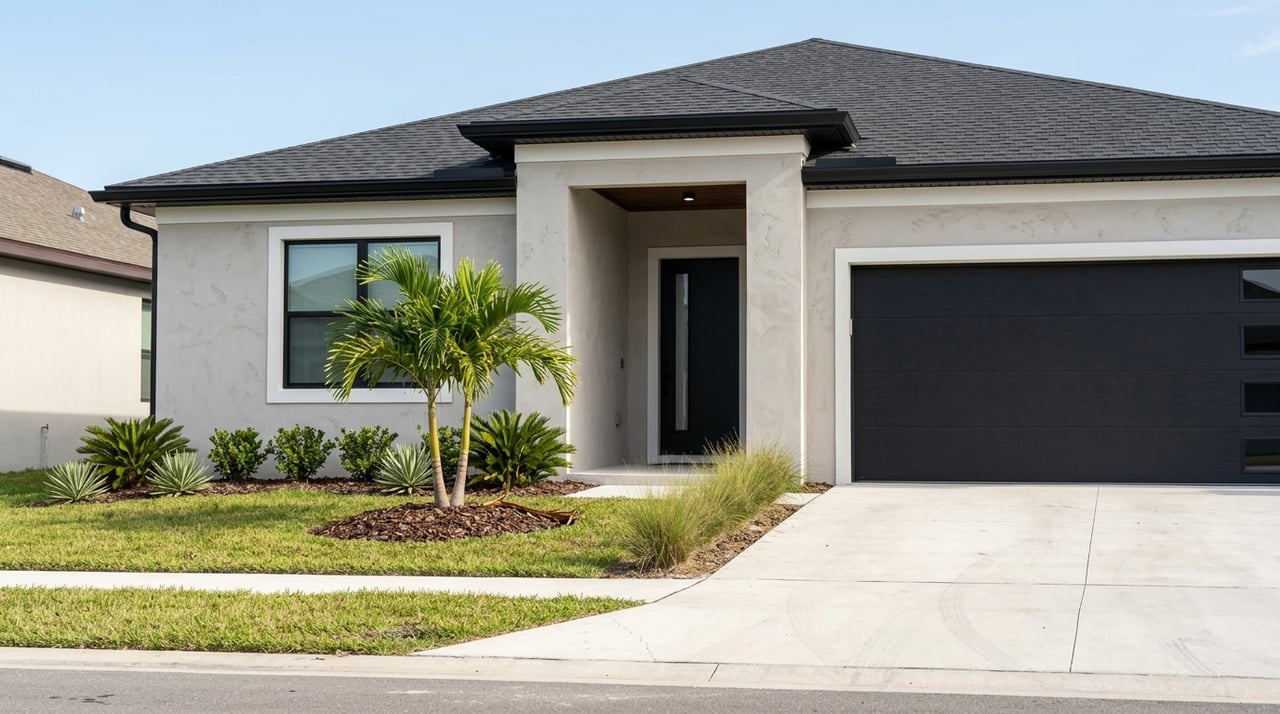
Wondering if buying a brand-new home in Lehigh Acres should be simpler than buying resale? In some ways, yes, but new construction here still comes with important choices that can affect your timeline, budget, and peace of mind. If you are comparing builders, communities, or vacant lots, this roadmap will help you understand what to look for before you sign, build, and close. Let’s dive in.
Why Lehigh Acres stands out
Lehigh Acres is not a small, one-track new-construction market. According to Lee County planning information, it is a 96-square-mile unincorporated residential community made up largely of quarter-acre and half-acre single-family lots.
That size matters because your choices may look very different from one part of Lehigh Acres to another. A Lee County fact sheet reports 38 active developments and more than 8,012 residential units in the pipeline, which means buyers are often comparing several paths instead of one standard option.
Compare your main options first
In Lehigh Acres, new construction usually falls into three broad categories. Knowing which type fits your goals can save you time early in the process.
Master-planned communities
Some buyers want a community setting with planned amenities and a more standardized buying process. For example, Savanna Lakes by Lennar is currently selling from the $300s, with plan sizes ranging from 1,343 to 2,112 square feet.
Other buyers may want an amenity-focused lifestyle option. Ibis Landing Golf & Country Club by Lennar shows a current price range of $211,999 to $420,999 and highlights features like a golf course, resort-style pool, fitness center, tennis courts, pickleball courts, and clubhouse.
Standalone new homes
Not every new home in Lehigh Acres sits inside a large HOA community. Some standalone Lennar homes advertise no HOA fees and include features such as quartz countertops, blinds, and hurricane protection on sliding doors and windows.
This is a good reminder that builder packages can vary a lot. A home that looks similar online may have very different included features, monthly costs, or lot terms.
Build-on-your-lot and infill opportunities
Lehigh Acres also gives buyers the chance to build on individual lots. Holiday Builders shows build-on-your-lot and build-on-their-lot options, plus move-in-ready and to-be-built inventory, with current prices beginning at $249,400.
One detail matters right away: the site notes that to-be-built homes do not include the lot, while move-in-ready homes do include the lot. That single difference can change both your total cost and your timeline.
What to compare before touring
Before you fall in love with a floor plan, compare the full package. In Lehigh Acres, the smartest first step is often not asking, “Which house do I like best?” but asking, “What exactly is included here?”
Focus on these items first:
- Whether the lot is included in the listed price
- Whether the home is move-in ready or to-be-built
- HOA fees, if any
- Included features versus upgrades
- Utility setup for the specific parcel
- Flood-zone and elevation requirements
- Estimated permit and construction timeline
When you compare homes this way, you avoid apples-to-oranges pricing. A lower advertised base price may not stay lower once you add the lot, upgrades, site work, or parcel-specific requirements.
Start with budget and preapproval
Before you visit model homes or review builder contracts, get clear on your real budget. HUD's home-buying guide recommends budgeting beyond the down payment for closing costs, moving expenses, repairs, and furnishings.
That advice matters in new construction because many buyers focus heavily on the base price. In reality, your final number may also include upgrade selections, lot-related costs, and closing expenses.
Know how your agent can help
A new-construction purchase still benefits from buyer representation. According to the National Association of Realtors guidance cited in HUD materials, an agent can help you find homes, attend showings, negotiate, and guide the process, and in many situations you may enter into a written buyer agreement before touring homes.
In practice, that means your agent can help you compare builder contracts, organize deadlines, and keep communication moving. Your agent does not replace the lender, builder, or inspector, but they can help you keep the whole process on track.
Review the contract carefully
HUD says the purchase contract should identify earnest money, financing details, move-in date, closing date, and how long the offer remains open. In new construction, this is also the stage where you should confirm what is included in the base price and what counts as an upgrade.
That question is especially important in Lehigh Acres because buyers may be comparing community homes, standalone homes, and lot-based builds at the same time. Two listings can look close in price while including very different things.
Understand the permit timeline
If you are building rather than buying move-in ready, county permitting is a major part of the roadmap. Lee County's residential building guide says residential permits require a state-licensed contractor registered with the county, unless an owner-builder declaration applies.
The same guide explains that permit packages can include a site plan, sealed construction drawings, product approvals, energy calculations, and private-provider paperwork if used. It also notes that permits must pass at least one inspection within 180 days of issuance or they expire.
For you as a buyer, the takeaway is simple: a build timeline is made of stages, not one fixed finish line. Delays can happen when paperwork, approvals, or inspections take longer than expected.
Track construction by milestones
Lee County outlines inspection stages for a new primary structure that may include foundation or footing, slab, tie beam, columns or pilings, sheathing or straps, rough framing, insulation, soffit or siding, and final structural or building inspection.
That sequence explains why closing dates on to-be-built homes can shift. Your home is moving through checkpoints, and each stage depends on the one before it.
It is also why communication matters. Approved plans and manufacturer specifications must be on-site during inspections, according to the county guide, so there are several moving parts behind the scenes.
Do not skip an independent inspection
Yes, you should still get an inspection on a brand-new home. HUD strongly encourages an independent home inspection and says the inspector should be independent of everyone involved in the transaction, including the buyer's agent.
This is an important distinction for new construction. County inspections are about code compliance, but they are not a substitute for your own independent review of the home's condition.
Watch Lehigh Acres due diligence items
Lehigh Acres is highly parcel-specific, which means one lot may be much more straightforward than another. This is where local due diligence becomes just as important as the floor plan.
Check flood status early
According to Lee County flood information, flood insurance rate maps identify special flood hazard areas, and a FEMA Elevation Certificate is required before vertical construction in those zones and again at final construction. The county also states that flood insurance is required for mortgages on structures in special flood hazard areas and coastal high hazard areas.
If you are comparing lots or a to-be-built opportunity, review flood-related requirements early. Waiting until later can affect cost estimates, timing, and financing expectations.
Verify utilities and site conditions
Utility service is not automatic across Lehigh Acres. Lee County Utilities states that it does not provide water or wastewater service to Lehigh Acres, so you need to verify the provider for the specific parcel.
County permitting guidance also flags septic service verification, approved septic permits, well approval, site fill or drainage plans, and county-road driveway permits as possible pre-closing items. These details can affect both your budget and your closing date.
Study the lot itself
If you are building on a lot, site details matter. Lee County's building guide requires a scaled site plan showing lot lines, setbacks, easements, nearby water bodies within 25 feet, and existing or proposed structures.
That means lot selection is not just about size or price. Drainage, easements, nearby water, and possible extra agency approvals can all influence how simple or complex the build becomes.
Know what happens before closing
After the final inspection passes, Lee County says the certificate of occupancy or certificate of compliance is issued the next business day if all conditions are met. Those conditions can include a termite certificate, elevation certificate, blower-door test, septic or well approval, driveway permit finalization, related fire permits, and garbage fees.
This is one reason closing dates can move. Even when the home looks finished, the file may still need final signoffs before occupancy can be issued.
Prepare for changing costs
County policy can also affect long-term planning. Lee County states that Fire and EMS impact fee amendments were adopted on February 3, 2026, with incremental increases beginning May 4, 2026 and continuing annually through May 4, 2029, as noted on the county development page.
You do not need to panic over policy changes, but you do want clear, current numbers when you compare opportunities. In a growing market like Lehigh Acres, timing can shape cost assumptions.
A simple buyer roadmap
If you want a practical way to approach Lehigh Acres new construction, use this order:
- Get preapproved and define your true budget.
- Decide whether you want a community home, standalone home, or build-on-your-lot option.
- Compare lot inclusion, HOA structure, and feature packages.
- Review flood status, utilities, septic or well needs, and site conditions.
- Confirm contract terms, upgrade costs, and expected build stages.
- Track inspections and paperwork as the home moves toward completion.
- Schedule an independent inspection before closing.
- Verify all final occupancy conditions are satisfied before move-in.
Your next step in Lehigh Acres
Buying new construction in Lehigh Acres can be exciting, but it works best when you look beyond the model home and evaluate the full picture. When you understand the builder, the lot, the timeline, and the parcel-specific details, you can make a more confident decision and avoid last-minute surprises.
If you want a local, hands-on guide for your Lehigh Acres home search, connect with Jessica Ozuna Torres for personalized support every step of the way.
FAQs
Do I need an inspection on a new construction home in Lehigh Acres?
- Yes. HUD strongly encourages an independent inspection, and county inspections are not a substitute for your own condition review.
Are all new construction homes in Lehigh Acres part of an HOA?
- No. Some standalone homes advertise no HOA fees, while some master-planned communities include amenities and related fees.
What should I compare first when shopping for Lehigh Acres new construction?
- Start with lot inclusion, whether the home is move-in ready or to-be-built, community fees, included features, and parcel-specific utility or flood considerations.
What most often delays a new construction closing in Lehigh Acres?
- Permits, inspection stages, flood documentation, septic or well approvals, driveway permits, and other parcel-specific requirements can all affect timing.
Why is lot due diligence so important in Lehigh Acres new construction?
- Because the process can vary by parcel, including drainage, easements, nearby water, utility setup, and whether extra approvals are needed before closing or construction.