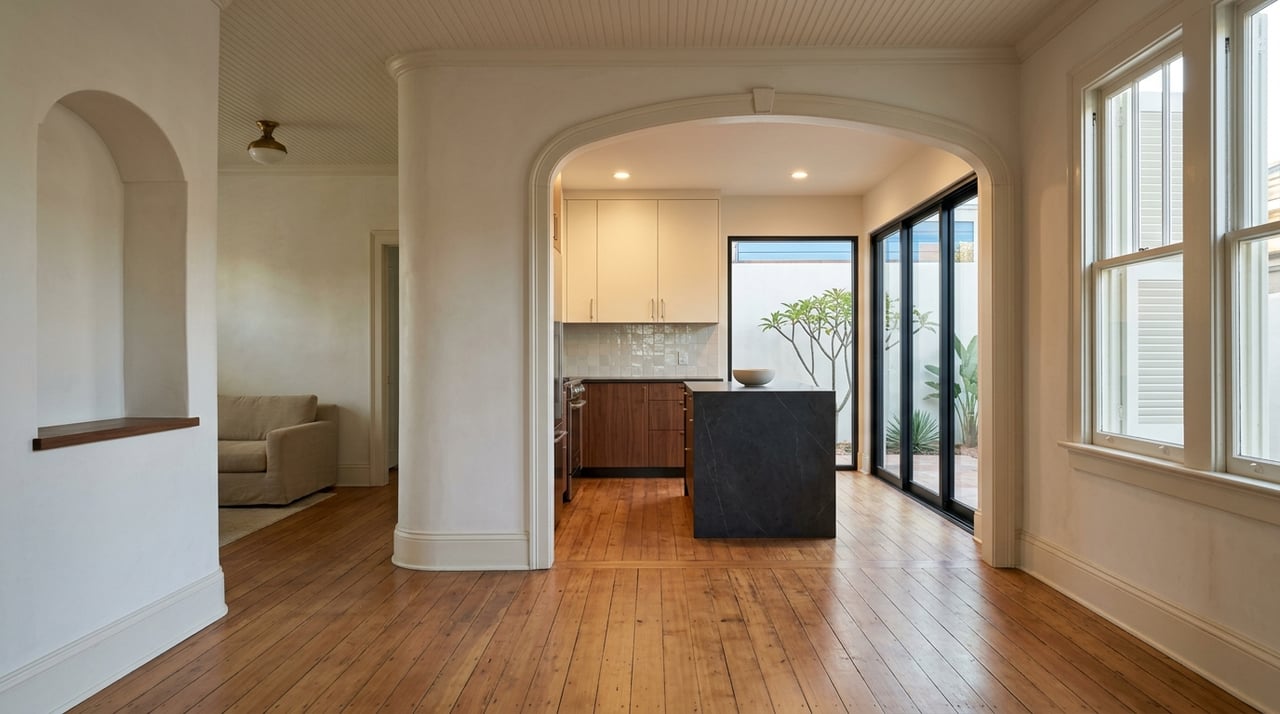
Trying to choose between a historic home and new construction in Punta Gorda? You are not alone. Many buyers love the idea of timeless character, but they also want a home that fits their day-to-day needs, budget, and comfort level with maintenance. If you are weighing both options, this guide will help you compare what “historic charm” and “new construction” often mean in Punta Gorda so you can make a more confident decision. Let’s dive in.
Punta Gorda Home Styles
Punta Gorda offers a mix of old Florida character and more modern residential options. The city describes itself as a vibrant waterfront community with a connected, laid-back lifestyle, and that mix shows up clearly in its housing choices.
The historic residential district sits west of the commercial core and along the waterfront park area, while many newer housing options are more commonly found in areas like Punta Gorda Isles, Burnt Store Isles, and Burnt Store Meadows. These areas are also connected through the city’s shared-use path system, which adds to Punta Gorda’s connected feel. You can learn more from the City of Punta Gorda overview.
What Historic Charm Means
In Punta Gorda, historic charm usually means homes with architectural details and a neighborhood setting that feel rooted in the city’s early development. In the National Register district, residential architecture includes Colonial Revival, Queen Anne, Frame Vernacular, Bungalow, and Spanish-influenced styles, with many homes dating from the mid-1880s through the late 1910s.
According to the National Park Service documentation for the district, many of these homes are one- and two-story wood-framed vernacular houses, with larger Queen Anne homes near the edges of the district. Some older homes have rear additions, converted garages, or other minor changes, yet they still retain their historic feeling and association.
For many buyers, that character is the biggest draw. You may find appealing details like older façade styles, mature streetscapes, and a district feel that is difficult to duplicate in newer communities.
Historic Property Review
If a property has local historic designation, exterior changes may involve more review than a typical home would. The city states that exterior work is referred through a Certificate of Appropriateness process and reviewed by planning staff and the Historic Preservation Advisory Board.
The city also notes that local historic designation generally focuses on properties older than 50 years, although younger architecturally significant buildings may also qualify. You can review the city’s local historic register information for more detail.
Historic District Parking Rules
There are also practical lifestyle details to keep in mind. In the Historic District, the city has an overnight parking program, and on-street parking is prohibited on designated streets from 1:00 a.m. to 5:00 a.m. For some buyers, that is a minor detail. For others, especially households with multiple vehicles or frequent guests, it is worth reviewing before you buy. The city explains the rules in its Historic District parking permit information.
What New Construction Offers
Newer homes in Punta Gorda often appeal to buyers who want a more straightforward ownership experience. While every property is different, newer construction is generally more likely to align cleanly with current code and permit standards.
The Florida Building Code 8th Edition became effective on December 31, 2023, and Charlotte County states that permits are required for construction, enlargement, alteration, repair, demolition, and related work. For buyers, that can mean fewer immediate questions about older materials, outdated systems, or prior modifications.
In Punta Gorda, newer-home options are often associated with neighborhoods such as Punta Gorda Isles, Burnt Store Isles, and Burnt Store Meadows. These areas fall within the city’s Special Residential Overlay district, so it is still important to review neighborhood-specific rules even when a home is not in the historic core.
Waterfront Newer Neighborhoods
If you are drawn to waterfront living, newer housing options are often tied to canal-based communities. The city-maintained districts in Punta Gorda Isles and Burnt Store Isles include extensive canal and seawall systems. Punta Gorda Isles includes 91 miles of seawall and 45 miles of canals and inlets, while Burnt Store Isles includes 18 miles of seawall and 9 miles of canals.
That waterfront setup can be a major lifestyle benefit, but it also comes with ongoing obligations. For FY 2026, the city lists recurring assessments of $1,350 per single-family parcel in Punta Gorda Isles and $1,010 per single-family parcel in Burnt Store Isles, according to the city’s special assessments page.
Key Factors To Compare
When you are deciding between historic charm and new construction in Punta Gorda, it helps to compare more than appearance alone. Your long-term comfort with rules, maintenance, and property-specific risks matters just as much.
Flood Zone And Elevation
Flood review should be part of almost every Punta Gorda home search. Charlotte County states that for major repairs or improvements in a FEMA high-risk flood zone, if the work exceeds 50 percent of the building’s value, the property must be brought up to current Florida Building Code standards, including elevation requirements.
The county also notes that flood insurance can be mandatory for federally backed mortgages in a Special Flood Hazard Area. You can review the county’s 50 percent FEMA rule guidance and the city’s flood facts and disaster information as part of your research.
For locally designated historic properties, the city says some mandatory code standards, including the FEMA 50 percent rule and modern hurricane requirements, may not apply in the same way as they do to non-historic properties. That may help preserve historic character, but it also means property-by-property review is especially important.
Exterior Restrictions And Flexibility
Historic homes may offer more character, but they can also come with more oversight for exterior changes. If you know you want to make visible updates quickly, a historic property may require more planning and patience.
With newer homes, the focus is often less about historic review and more about practical items like neighborhood rules, drainage, permit history, seawall condition, and recurring district assessments. Neither path is automatically easier in every case, but the questions you need to ask are often different.
Maintenance Expectations
Older homes often attract buyers who value charm and are comfortable with a home that may have more unique upkeep needs. Newer homes may feel more move-in ready from a systems and code standpoint, but that does not remove the need for due diligence.
If you are comparing two homes at a similar price point, ask yourself whether you prefer original character and district atmosphere or a layout and structure that may align more closely with current building practices.
Historic Vs New Construction
| Factor | Historic Home | Newer Construction |
|---|---|---|
| Main appeal | Character, scale, district feel | Current-code convenience, more modern setup |
| Common location pattern | Historic district west of downtown core | Punta Gorda Isles, Burnt Store Isles, Burnt Store Meadows |
| Exterior changes | May require Certificate of Appropriateness review | Usually more focused on standard permits and neighborhood rules |
| Parking considerations | Historic District overnight street parking restrictions may apply | Varies by neighborhood |
| Flood and code review | Property-specific review is critical, especially with historic designation | Flood zone, elevation, drainage, permit history remain important |
| Potential recurring costs | Varies by property | Waterfront districts may include recurring assessments |
Which Buyer Each Option Fits
A historic home may be a strong fit if you love architectural detail, want a neighborhood with an established sense of place, and feel comfortable researching rules tied to preservation and property improvements.
A newer home may make more sense if you want a more modern starting point, prefer fewer near-term exterior restrictions, or are specifically searching for canal-front living in communities like Punta Gorda Isles or Burnt Store Isles.
The best choice usually comes down to your lifestyle and priorities. In Punta Gorda, character and convenience can both be appealing, but they do not always come in the same package.
How To Choose Wisely
Before you decide, focus on property-specific facts instead of broad assumptions. Two homes can look similar online and offer very different ownership experiences once you review flood zone status, local rules, permits, assessments, and condition.
A smart comparison checklist includes:
- Historic designation status
- Flood zone and elevation details
- Permit history
- Exterior renovation restrictions
- Seawall and canal considerations, if waterfront
- Recurring assessments, if applicable
- Parking rules and neighborhood regulations
If you want help comparing Punta Gorda homes with a clear, family-first approach, Jessica Ozuna Torres can guide you through the details so you can choose the home that fits your goals with confidence.
FAQs
What does historic charm mean for homes in Punta Gorda?
- In Punta Gorda, historic charm usually refers to older homes in or near the historic district with architectural styles such as Colonial Revival, Queen Anne, Frame Vernacular, Bungalow, and Spanish-influenced design.
What should buyers know about locally designated historic properties in Punta Gorda?
- Buyers should know that exterior work on locally designated historic properties may go through a Certificate of Appropriateness review process with city planning and the Historic Preservation Advisory Board.
What are the benefits of newer construction in Punta Gorda?
- Newer construction often appeals to buyers who want a home that more closely aligns with current code and permit standards and may involve fewer near-term exterior restrictions than a historic property.
What extra costs can come with newer waterfront neighborhoods in Punta Gorda?
- In city-maintained waterfront districts such as Punta Gorda Isles and Burnt Store Isles, single-family parcels may have recurring assessments, so buyers should review those costs as part of their budget.
Why is flood review important when buying a home in Punta Gorda?
- Flood review matters because flood zone status, elevation, insurance requirements, and FEMA-related improvement rules can affect both older and newer homes in Punta Gorda.
How can buyers choose between a historic home and new construction in Punta Gorda?
- Buyers can make a stronger decision by comparing historic designation, flood zone details, permit history, maintenance expectations, neighborhood rules, and any recurring assessments for each specific property.