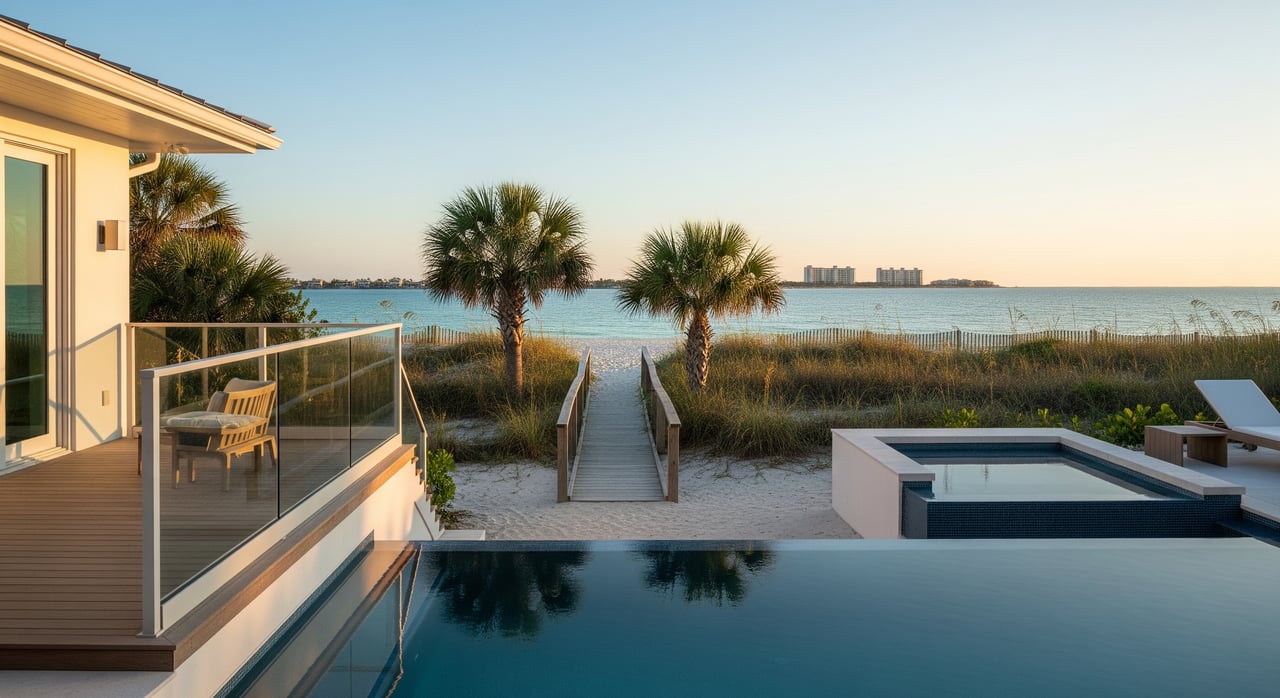
Is the beach calling your name, but you are torn between a condo and a house on Fort Myers Beach? You are not alone. Many buyers juggle lifestyle, cost, storm risk, and rental potential before making a choice. In this guide, you will learn how each option fits everyday life on Estero Island, what to budget, and the due diligence that protects you. Let’s dive in.
Fort Myers Beach snapshot
Fort Myers Beach is a barrier‑island town on Estero Island with a strong tourism rhythm. You will find a mix of high‑rise and mid‑rise condos, smaller condo communities, canal homes with docks, and a range of single‑family properties. Seasonal demand rises in winter, which can affect inventory, pricing, and vacation‑rental performance. If you plan to buy soon, align your search and offers with the island’s seasonal pace.
Condos: lifestyle, costs, and rules
Condos on Fort Myers Beach often deliver direct beach access, on‑site pools, elevators, fitness rooms, and secured parking. Daily maintenance is lighter because the association handles exterior and common areas. The trade‑offs include shared walls, possible noise, elevator waits in high season, and rules on rentals, pets, and remodeling.
Monthly condo fees typically cover common‑area upkeep, landscaping, shared insurance through a master policy, and reserves. Fees vary by building age, amenities, and reserve strength. Review the budget, reserve study, and special assessment history carefully. Underfunded reserves can lead to large, unexpected costs.
Insurance differs for condo owners. Associations usually insure the structure through a master policy, while unit owners insure interiors and personal property. Flood insurance is still common and depends on flood zone, elevation, and building condition. For guidance on Florida’s insurance market, visit the Florida Office of Insurance Regulation and, if coverage is limited, explore Citizens Property Insurance Corporation.
Houses: space, privacy, and upkeep
Single‑family homes give you privacy, yard space, and flexibility to remodel. On canal lots, you may enjoy boat access and a private dock. Many homes are not in HOAs, or they have fewer rules than condo associations, which can make outdoor living and personalization easier.
The trade‑off is more hands‑on ownership. You are responsible for the roof, exterior, landscaping, pool, pest control, and sometimes seawall care. Insurance and utilities may be higher for coastal homes. A common rule of thumb is to budget 1 to 3 percent of the home’s value per year for maintenance, with coastal properties sometimes requiring more.
Cost planning on the island
Purchase prices vary widely based on location, age, view, condition, and amenities. Beachfront condos can be competitive on a price‑per‑square‑foot basis, while houses often command premiums for lot size, privacy, and canal or beachfront frontage. Market seasonality and inventory shape timing and negotiating leverage.
For condos, budget the monthly fee, plus possible special assessments. Verify reserves and building health in the resale package. For houses, plan for exterior and systems upkeep, plus items like seawall inspections on canal properties. For both, compare insurance quotes early. Flood coverage may be required by lenders, and elevation certificates can change premiums. Start with the FEMA Flood Map Service Center to identify flood zones and explore flood coverage basics at the National Flood Insurance Program.
Florida property taxes are set locally in Lee County, and Florida has no state income tax. If you plan to homestead your primary residence, learn about exemptions and the assessment cap through county resources. Investment and short‑term rental properties usually do not qualify for homestead benefits.
Storms, flood, and resilience
Fort Myers Beach sits in a hurricane‑exposed area, so wind and flood are core considerations. Newer construction often reflects modern Florida Building Code standards for wind resistance. Older buildings may need retrofits. For storm tracking and planning, use the National Hurricane Center.
Flood risk varies by zone and elevation. Many island properties sit in FEMA zones such as A, AE, or VE. Elevated homes on pilings can reduce flood risk relative to older slab‑on‑grade structures. Confirm flood zone and request an elevation certificate to refine insurance estimates. Beach renourishment, dunes, and coastal projects also matter. You can monitor projects and permitting through the Town of Fort Myers Beach and the U.S. Army Corps of Engineers, Jacksonville District.
Renting your property: rules and returns
Tourism supports vacation rentals across the island, but rules vary by building and neighborhood. Many condo associations limit or ban short‑term rentals, set minimum stays, or require approvals. Single‑family homes may allow rentals, but you must comply with town licensing, safety standards, and applicable taxes.
Before you count on rental income, confirm the current ordinance language and licensing with the Town of Fort Myers Beach. Study seasonal demand patterns, especially the winter high season, because they influence occupancy, nightly rates, and vacancy risk. Operationally, condos may simplify turnover through on‑site services, while homes often require dedicated property management and maintenance between guests.
Resale and financing realities
Condos often attract part‑time residents and retirees who value amenities and views. Houses draw buyers who want space, privacy, and flexibility, including boaters on canal lots. Remember that association rules, pet policies, rental caps, and approval processes can narrow a condo’s buyer pool.
Financing for condos can be stricter than for single‑family homes. Lenders may review association reserves, rental ratios, delinquencies, and litigation. If you plan to use FHA or VA financing, confirm project eligibility early. For legal framework and buyer disclosures, review Florida Statutes Chapter 718 for condominiums and Chapter 720 for HOAs.
Decision guide: which is right for you
- If you want lock‑and‑leave living with amenities and lighter upkeep, favor a condo.
- If you need privacy, outdoor space, or a dock for boating, a single‑family home often fits better.
- If rental income is important, confirm HOA rules and town licensing before you buy.
- If long‑term climate resilience is a top priority, focus on elevation, roof age, impact windows, seawall and dune protection, and documented mitigation investments.
Due diligence checklist for Fort Myers Beach buyers
For condos
- Review the resale package: bylaws, declaration, budget, reserve study, master insurance summary, rental and pet rules, meeting minutes for 12 to 24 months, litigation disclosures, assessment history, and delinquency rates.
- Inspect building health: recent structural or engineer reports, roof age, exterior envelope repairs, elevator maintenance logs, pool and mechanical system ages, hurricane shutters or impact glass.
- Confirm financial strength: reserve funding levels, special assessment frequency, operating deficits, and any planned capital projects.
For single‑family homes
- Order a full coastal‑aware inspection: roof age and wind mitigation features, foundation or piling integrity, signs of past flooding or saltwater intrusion, HVAC, plumbing, and electrical condition.
- Check marine elements: seawall condition and repair history, dock permits, and any recorded erosion impacts.
- Verify permits for additions, pools, seawalls, and remodels with the town, and ensure code compliance.
For both property types
- Obtain quotes for homeowners, wind, and flood insurance early. Ask about wind deductibles and how roof age and elevation affect premiums. If the private market is limited, check options with Citizens Property Insurance and consumer guidance from the Florida Office of Insurance Regulation.
- Confirm flood zone and request or order an elevation certificate. Start your research at the FEMA Flood Map Service Center and review flood coverage through the National Flood Insurance Program.
- Clarify financing: condo project approval requirements, investor lending terms, and any rental restrictions that could limit loan options.
Ready to choose your beach home?
Whether you are drawn to a high‑rise with direct sand access or a canal home with a dock, the right choice balances lifestyle, costs, storm resilience, and rental goals. A local guide can help you compare flood zones, HOA reserves, insurance quotes, and seawall or structural conditions before you commit. If you prefer Spanish‑first support, you are in the right place. Hablamos Español y estamos aquí para servirte con paciencia y claridad.
If you are ready to explore condos and houses on Fort Myers Beach, reach out to Jessica Ozuna Torres for a calm, family‑first plan that puts your needs first.
FAQs
What makes Fort Myers Beach condos appealing to part‑time residents?
- Many offer direct beach access, on‑site amenities, and lighter day‑to‑day maintenance because associations handle exterior and common areas.
How do HOA fees for condos compare with house expenses on Fort Myers Beach?
- Condo fees cover shared costs like exterior maintenance and master insurance, while house owners pay for all upkeep, insurance, landscaping, and repairs directly.
Are flood and wind insurance required for island properties?
- Lenders often require flood insurance in mapped zones, and wind coverage is a common need on the coast; confirm requirements and pricing through insurers and the NFIP.
Can I short‑term rent a condo or house on Fort Myers Beach?
- Possibly, but you must follow the condo or HOA rules and the town’s licensing and safety standards; always verify with the association and the Town of Fort Myers Beach.
What are the biggest hidden costs with condos vs houses?
- Condos face risk of special assessments and rising fees in aging buildings, while houses can bring seawall repairs, roof replacements, and higher exterior maintenance costs.
How do I check local rules and flood zones before I buy?
- Review ordinances on the Town of Fort Myers Beach website and confirm flood zones through the FEMA Flood Map Service Center.