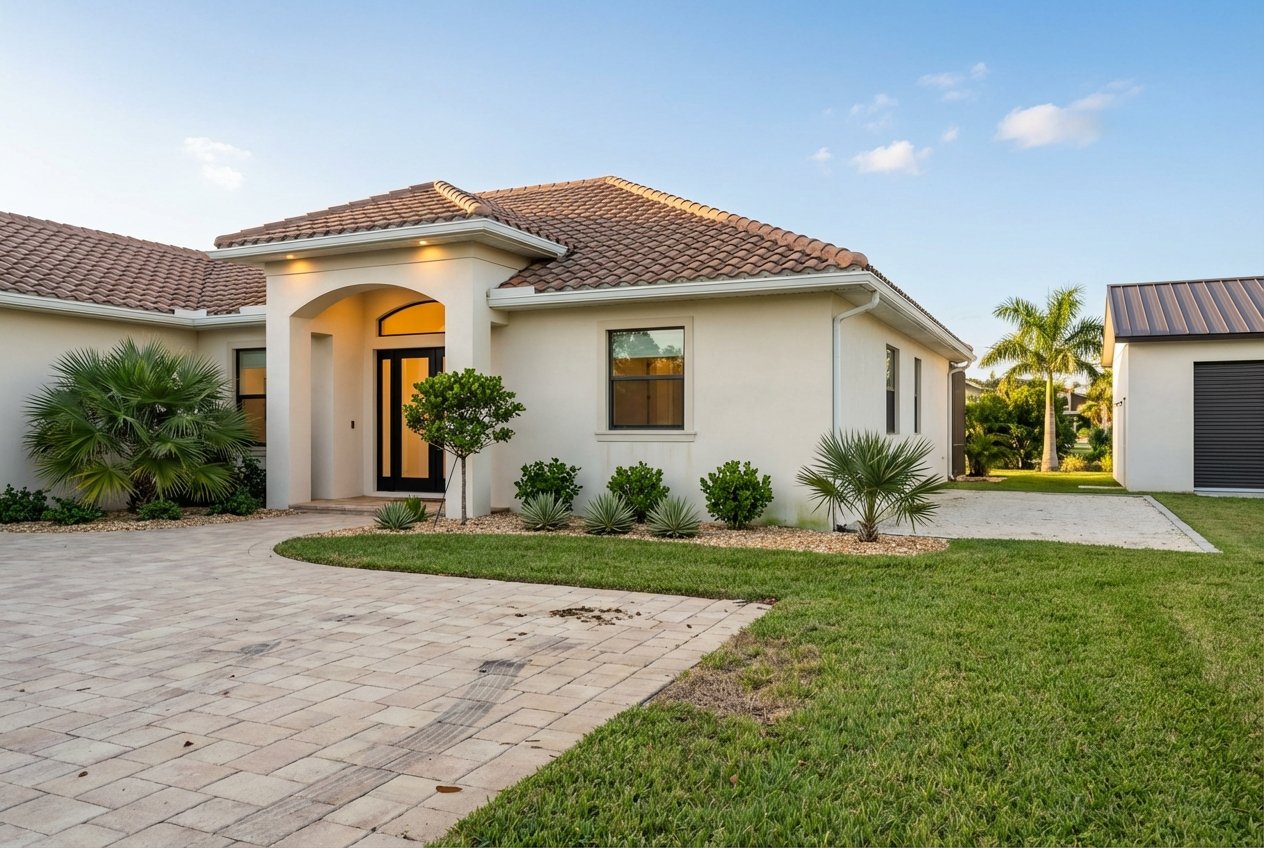
Dreaming of extra elbow room, a workshop, or space for boats and toys? Buying a home with land in North Fort Myers can deliver that lifestyle, but it also adds a few more boxes to check before you commit. You want peace of mind about utilities, permits, inspections, and flood risk so your property works for you on day one. In this guide, you’ll learn exactly what to verify, who to call, and how to plan a smooth purchase timeline. Let’s dive in.
What “land” means in North Fort Myers
North Fort Myers sits in unincorporated Lee County, so county rules and permits apply. You’ll see everything from suburban lots to canal-front parcels and semi-rural acreage. “More land” here can mean a 10,000-square-foot lot or several acres. Use the parcel’s official record to confirm what is allowed and where you can build.
Start by checking the zoning. In many residential districts, such as RS-1, minimum lot sizes are around 7,500 square feet, while agricultural categories often require larger acreage. You can confirm RS-1 standards in the Lee County Land Development Code for residential districts. Then pull the parcel’s STRAP/Parcel ID, legal description, and sales history through the Lee County Property Appraiser search. These two steps tell you what’s on the ground and what’s allowed.
Utilities and services to verify early
Semi-rural living often blends central utilities with onsite systems. Service availability varies by street, so always verify by address.
- Water and sewer. Check the Lee County Utilities service and franchise area maps to see if central water or sewer serves the area. Being “inside a service area” does not guarantee a ready-to-use connection. Ask whether a main extension, tap, or assessment is required, and who pays.
- Septic systems. If there is no central sewer, you’ll rely on an onsite septic system. Before you buy, request the current permit record and any pump-out or repair history, and verify with the county’s database using the Florida Department of Health in Lee County septic permit lookup. Some basins require nitrogen-reducing systems, which can affect design and cost.
- Wells. Many properties without central water use a private potable or irrigation well. Ask for any drilling records, completion reports, and the most recent water test results. A licensed well contractor can perform a potability and flow test.
- Electricity, gas, and internet. Electric service is widely available, but confirm provider capacity for large outbuildings or lifts. Natural gas is not universal, so many owners use propane. For connectivity, run an address check to see if fiber or cable is available; the BroadbandNow North Fort Myers page is a helpful start.
- Access and basic services. Verify trash service, mail delivery, and whether your driveway connects to a county-maintained or private road. If you plan to add or change a driveway or culvert, you will need the proper approvals. Start with the Lee County Residential Driveway Permit page.
Permits and approvals that matter
Homes with land often involve extra permit types. Planning for these early helps you avoid delays and surprise costs.
- Building permits. Lee County enforces the Florida Building Code for remodels, re-roofs, additions, and accessory buildings. Before you buy, review permit history for the home and any detached structures, then budget for new permits if you plan improvements. Use the Lee County Permit Center to understand requirements.
- Flood and elevation documentation. If a property sits in a Special Flood Hazard Area, you will likely need an elevation certificate for permitting and to secure accurate flood insurance quotes. Run a parcel check at FEMA’s Flood Map Service Center and ask the seller for any past certificates.
- Septic and well permits. New or repaired septic systems require Department of Health permits and, in some areas, nitrogen-reducing systems. New wells or repairs require local permits and licensed contractors. Verify records and factor potential upgrades into your budget.
- Driveway and right-of-way work. Work within the county right-of-way, including new culverts or driveway aprons, requires permits. Doing the work without permits can cause inspection failures and extra fees.
- Docks, seawalls, and mangrove trimming. Waterfront projects often need county permits plus state or federal authorization. Start with the county’s Permit Center to see what’s required locally. For activities affecting wetlands or navigable waters, consult the U.S. Army Corps of Engineers’ Jacksonville District Regulatory guidance.
Key inspections beyond a standard home check
A licensed home inspection is essential, but larger lots and onsite systems call for specialists too. Plan for these during your inspection period:
- Septic inspection with pump-out and drainfield evaluation, or documentation from the health department if recently permitted or repaired.
- Well potability and flow test by a licensed well contractor.
- Boundary survey to confirm lot lines, easements, and buildable areas for future accessory buildings, fences, or gates.
- Wind mitigation or 4-point inspection for insurance underwriting, especially on older homes or roofs.
- Environmental review if you are near canals, the river, or mangroves to understand any protected areas, trimming limits, or dock restrictions.
Environmental and flood considerations
- Flooding and storm surge. Parts of North Fort Myers are subject to tidal flooding and storm surge from the Caloosahatchee River and canal network. Confirm the exact FEMA flood zone, request any elevation certificate, and seek flood insurance quotes early. FEMA’s Flood Map Service Center is your official map resource.
- Wetlands and shoreline rules. Activities near wetlands or below mean high water can trigger state or federal permits. If you want boat access or a view corridor, confirm what is allowed before you buy and plan for longer timelines on complex projects.
- Water quality programs. Some areas fall within water-quality restoration plans that influence septic design and future sewer conversion priorities. Review county guidance on Total Maximum Daily Loads and Basin Management Action Plans to understand possible impacts on septic systems.
- Soils and shallow groundwater. Sandy or mucky soils and high water tables are common in coastal Florida. On constrained lots, you may need an engineered septic system. A site evaluation is standard for new systems.
A practical due-diligence checklist
Use this list to stay organized from pre-offer to closing.
- Quick checks before you write an offer
- Ask for the parcel’s STRAP/Parcel ID, legal description, and current zoning. Pull the property record from the Lee County Property Appraiser and confirm the zoning in the Land Development Code.
- Confirm water and sewer availability. If not available, identify the existing well and septic, then ask who pays for utility extensions or assessments.
- Request septic and well records, including service history and recent water tests.
- Run the FEMA flood zone, request any elevation certificate, and ask about past flood or insurance claims.
- Verify road access and whether the driveway sits on a county or private road. If private, ask for any road maintenance agreement.
- For waterfront parcels, request prior dock, seawall, or mangrove permits and ask about any encroachments or required approvals.
- Inspections to order during the inspection period
- Full home inspection by a licensed inspector.
- Septic inspection and performance evaluation for older systems.
- Well water potability test and flow test by a licensed well contractor.
- Boundary survey and, if needed, an elevation certificate update.
- Wind mitigation or 4-point inspection for insurance purposes.
- Environmental consultant review if near canals, the river, or mangroves.
- Documents to collect for closing
- Permit history for the home and any accessory buildings.
- Septic permits, well records, pump-out/repair receipts, and water test results.
- Survey, title work, easements, and any recorded restrictions.
- Insurance quotes for homeowners, wind, and flood coverage.
Timelines and cost drivers to expect
- Septic work. Permitting and construction can take weeks. Costs vary by system type and site constraints, and some areas require nitrogen-reducing systems. The health department publishes steps and fees; verify current requirements when you budget.
- Well permitting and drilling. Permit turnaround can be quick with complete applications, but contractor scheduling and inspections add time. Local conditions influence drilling methods and cost.
- Docks and shoreline projects. Coordinating county permits with state and federal reviews can extend timelines, especially near sensitive areas. Build in extra time for reviews and potential mitigation.
How to choose the right parcel for your plans
- Clarify your must-haves. Decide what you need from your land: a workshop, room for equipment, boat storage, animals, or future accessory buildings. Your uses will drive zoning and setback needs.
- Map utilities to your plans. A central sewer connection may simplify your life. If you have septic, make sure the system’s location leaves space for that future pool, garage, or guest suite.
- Think about maintenance. Larger lots mean more to mow, trim, and maintain. If a private road is involved, learn how maintenance and costs are shared.
- Plan for insurance. Wind mitigation features and elevation can change premiums. Get quotes early so you understand the total cost of ownership.
Your local edge in North Fort Myers
A home with land should give you freedom, not headaches. With the right due diligence, you can enjoy space, privacy, and future flexibility. Our team helps you verify zoning, utilities, septic and well records, flood status, and permit history so you can buy with confidence. If you want a guided plan, trusted local referrals, and responsive, bilingual service, we are ready to help.
Have questions or want to tour homes with land in North Fort Myers? Connect with Jessica Ozuna Torres for a friendly, step-by-step game plan tailored to you.
FAQs
What zoning and lot size rules apply in North Fort Myers?
- North Fort Myers is in unincorporated Lee County. Minimum lot sizes and uses depend on county zoning. For example, RS-1 residential lots are around 7,500 square feet per the county code, while agricultural districts often require larger acreage.
How do I know if a property has sewer or will need septic?
- Check the Lee County Utilities service maps for water and sewer availability, and confirm whether a main or stub is at the lot. If sewer is not available, verify septic permit history and age through the county’s septic permit lookup.
What inspections should I order for a home with a well and septic?
- In addition to a general home inspection, plan a septic inspection with pump-out and a well water potability and flow test. Add a boundary survey and wind mitigation or 4-point inspection for insurance.
How do flood zones affect buying in North Fort Myers?
- Use FEMA’s Flood Map Service Center to confirm the flood zone, request any elevation certificate from the seller, and get flood insurance quotes early. Flood zones can affect permits and premiums.
Can I add a dock on a canal-front property in North Fort Myers?
- Many docks need county permits and may also need state or federal authorization if work affects wetlands or navigable waters. Check requirements with the county permit center and plan extra time for multi-agency reviews.
What can extend my closing timeline on a home with land?
- Septic repairs, well work, and shoreline permits are the most common drivers. Agency reviews, engineered designs, and contractor scheduling can add weeks, so start due diligence early.